
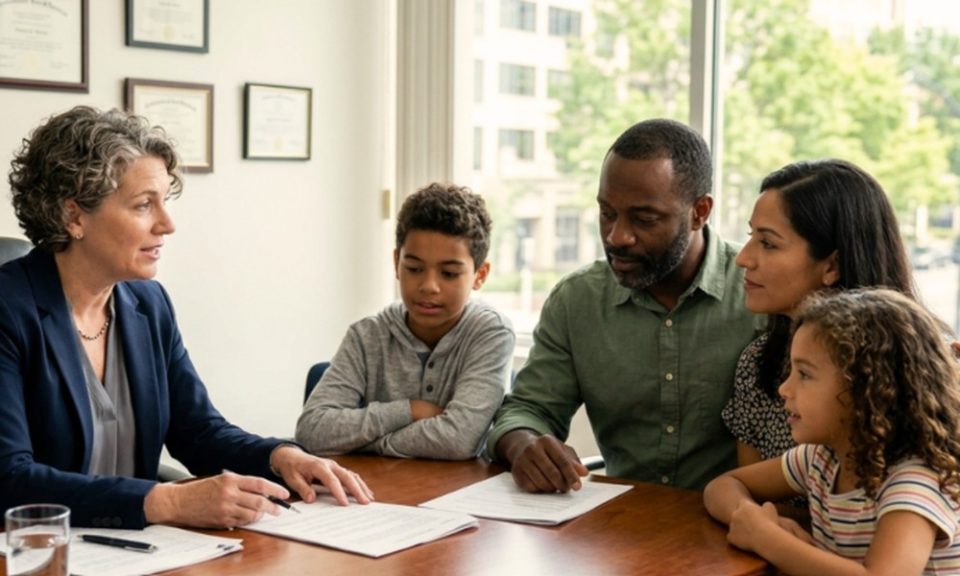
Estate planning for blended families requires careful thought and clear communication. Unlike traditional family structures, blended families often include stepchildren, multiple households, and shared assets, making planning more complex. Understanding how to protect everyone’s interests helps prevent disputes and ensures your wishes are honored.
Why Blended Families Need Special Consideration?
Blended families can include biological children, stepchildren, and sometimes other dependents. Without careful planning, assets may unintentionally favor one party over another, leading to tension or legal challenges. Estate planning allows you to clarify how property, investments, and personal belongings are distributed, creating fairness and reducing conflict.
Key Components of Estate Planning
Wills and Trusts
A well-drafted will ensures your wishes are legally recognized. Trusts can offer additional control over how assets are managed and distributed, particularly if you want to provide for both biological and stepchildren fairly.
Beneficiary Designations
Life insurance policies, retirement accounts, and other financial instruments require up-to-date beneficiary designations. Failing to update these can override your will, potentially causing disputes among family members.
Healthcare and Financial Powers of Attorney
Assigning powers of attorney ensures that your medical and financial decisions are handled in accordance with your preferences. This is especially important in blended families where multiple adults may be involved in care decisions.
Communication is Key
Open discussions with family members help prevent misunderstandings. While it can feel uncomfortable, explaining your decisions and intentions clearly reduces the likelihood of disputes later. Including all parties in planning conversations can foster trust and transparency.
Seek Professional Guidance
Blended families often face unique legal and tax considerations. Consulting with an estate planning attorney experienced with blended families ensures your plan is comprehensive, compliant, and tailored to your situation. A professional can help you navigate complex issues, such as asset division, inheritance rights, and potential tax implications.
Estate planning in blended families may seem challenging, but with careful planning, communication, and professional guidance, you can protect your loved ones and preserve harmony. Making thoughtful decisions today ensures that everyone in your family is cared for according to your wishes.
This article was written by Alla Tenina. Alla is the best Tax Attorney In Ventura County, California, and the founder of Tenina Law. She has experience in bankruptcies, real estate planning, and complex tax matters. The information provided on this website does not, and is not intended to, constitute legal advice; instead, all information, content, and materials available on this site are for general informational purposes only. Information on this website may not constitute the most up-to-date legal or other information. This website contains links to other third-party websites. Such links are only for the convenience of the reader, user or browser; the ABA and its members do not recommend or endorse the contents of the third-party sites.
