
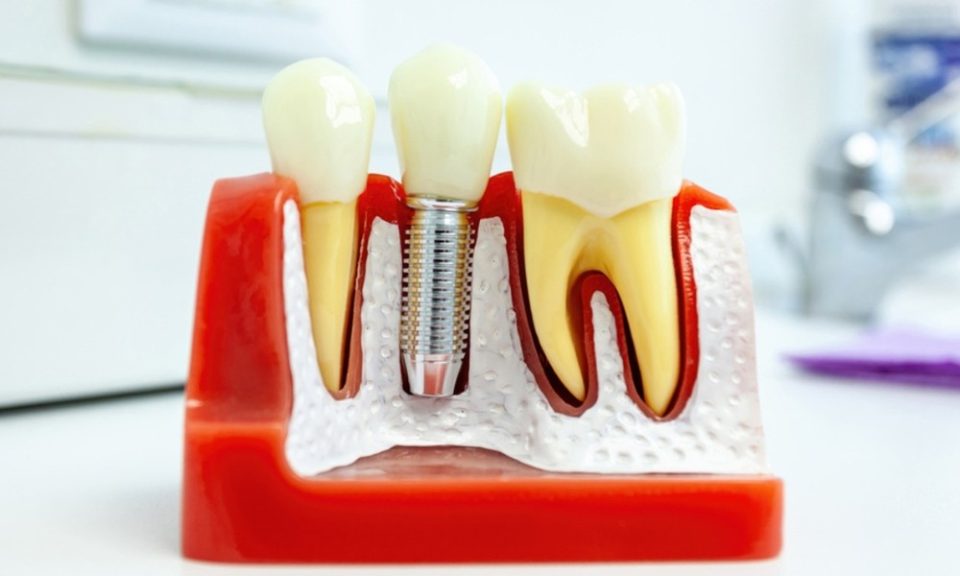
You might be feeling a mix of relief and worry right now. The hard part is done, the surgery is over, and you finally have your dental implants in place. At the same time, there is this quiet fear in the back of your mind. What if something goes wrong now. What if you accidentally mess it up. For more guidance and reassurance during your recovery, you can visit suncreekdental.com.
That tension is very common. You waited, you paid, you endured the procedure, and now you want to protect your new smile. The good news is that most dental implants do very well for many years. Problems usually show up when a few small but important aftercare steps are missed.
This is the heart of it. If you avoid the most common mistakes after dental implant surgery, you greatly improve your chances of long term success and comfort. You do not need to be perfect. You just need to be aware and consistent.
So where does that leave you. It means understanding the 10 mistakes that quietly cause trouble. From chewing the wrong foods too soon, to skipping follow up visits, to ignoring early warning signs, you will see how small choices can have big effects. You will also see what to do instead, in simple, practical terms.
Are Your New Dental Implants Safe If You Just “Go Back To Normal”?
Right after surgery, it is tempting to believe the hardest part is over and that you can rush back into your usual routine. You might feel pressure from work, family, or just your own impatience. Because of this, many people push their mouth too far, too fast.
Here are the 10 common mistakes that create problems for dental implant aftercare.
Mistake 1: Ignoring your dentist’s written instructions
You may think you remember everything you were told, but pain medicine, stress, and fatigue can blur details. When those instructions get pushed aside, small things like how to clean the area or what to avoid drinking can be forgotten. Those small things protect the healing tissue around the implant.
Mistake 2: Eating hard or sticky foods too soon
Imagine your implant as a post set into soft soil that needs time to harden. If you chew on hard bread, nuts, ice, or chewy candy early on, you can disturb the implant or irritate the stitches. This can slow healing or cause discomfort that did not need to happen.
Mistake 3: Smoking or vaping during healing
Nicotine reduces blood flow to your gums. Less blood means less oxygen and slower healing. This raises the risk of infection and implant failure. Even “just a few puffs” can interfere with the delicate process going on under the gums.
Mistake 4: Poor oral hygiene around the implant
Some people are afraid to brush near the implant site, so they avoid it completely. Others go in too aggressively and scrub hard. Both can cause trouble. Without gentle but thorough cleaning, bacteria build up and can inflame the tissue around the implant, a condition called peri implant mucositis.
Mistake 5: Skipping follow up appointments
You might feel fine and wonder why you need another visit. The reason is that implants can look and feel okay on the surface while small problems are starting below. Regular checkups allow your dentist to spot early changes before they turn into pain, bone loss, or loose implants.
Mistake 6: Grinding or clenching without protection
If you grind your teeth at night or clench during the day, you put extra force on the implant. Natural teeth have ligaments that absorb some of this force. Implants do not. Without a night guard or other support, that pressure can strain the bone around the implant.
Mistake 7: Using the implant as a “tool”
It sounds obvious, yet it happens often. Tearing open packages, cracking nuts, or holding objects in your mouth puts extreme stress on the implant and the crown. This can chip the crown or damage the connection between the implant and the restoration.
Mistake 8: Ignoring early warning signs
A little bleeding, a bit of swelling, or a bad taste in your mouth can be easy to brush off. You may think “It will pass.” Sometimes it does, but sometimes it is the first sign of infection or inflammation. The earlier you respond, the easier it usually is to treat.
Mistake 9: Assuming implants never need special care
Implants are strong, but they are not “set and forget.” They can get gum disease around them, called peri implantitis, in a similar way that natural teeth can get periodontal disease. Long term success means long term attention to cleaning, diet, and checkups.
Mistake 10: Not knowing the risks and normal side effects
When you do not know what is normal, everything feels scary, or you ignore things you should not. Understanding common side effects and risks helps you respond calmly and quickly. The U.S. Food and Drug Administration offers a clear overview of what to expect with dental implants. You can read more from the FDA on what you should know about dental implants.
So how do you balance caution with living your life.
What Are The Real Risks If You Slip Up On Implant Aftercare?
It might help to understand what is actually at stake. Most people heal well, even if they are not perfect, yet repeated or serious mistakes can lead to infections, bone loss, or even implant failure.
For example, imagine two people who both had implants placed. One follows the aftercare plan, avoids smoking, and shows up for every follow up. The other returns to smoking in a few days, eats hard foods on that side of the mouth, and cancels visits because “everything feels fine.” Months later, the first patient has a stable implant and healthy gums. The second might notice bleeding when brushing, a bad smell, or a slight looseness in the implant crown.
That is how quietly problems can start. They often do not begin with severe pain. They begin with small signs that are easy to ignore. Resources such as the Veterans Health Library information on dental implants explain many of these risks in simple language, and they can be a helpful reference if you want to double check what you are experiencing.
The goal is not to scare you. It is to give you enough clarity so you respect the healing process without living in constant fear.
How Do The Risks And Benefits Of Good Aftercare Compare?
Sometimes it helps to see the difference between careful aftercare and careless habits in one place. This can make your daily choices feel more concrete.
| Area | Careful Implant Aftercare | Careless Implant Habits |
|---|---|---|
| Healing time | Healing stays on track, discomfort usually decreases as expected | Healing may be delayed, soreness and swelling can last longer |
| Risk of infection | Lower risk due to clean mouth and protected surgical site | Higher risk from trapped food, bacteria, and irritation |
| Longevity of implant | Better chance of long term success and stability | Greater chance of bone loss and possible implant failure |
| Comfort when chewing | Gradual return to normal chewing with confidence | Ongoing tenderness, sensitivity, or bite problems |
| Cost over time | Fewer unplanned visits or extra treatments | Higher chance of added costs for repairs or replacement |
Seeing these side by side makes it clear. The daily decisions you make after dental implant surgery are not small. They are part of protecting your investment in your health, comfort, and appearance.
What Can You Do Today To Protect Your Dental Implants?
There is a lot to remember, and you may already be worried you have done something wrong. Instead of replaying every choice, focus on what you can do from this moment forward.
1. Follow a gentle, consistent cleaning routine
Use a soft toothbrush and clean around the implant area as your dentist advised. In the early days, that may mean avoiding the exact surgical site but keeping nearby teeth and gums clean. As healing continues, you might add special brushes or floss designed for implants. The key is gentle, regular cleaning, not aggressive scrubbing.
If you notice bleeding, swelling, or a bad taste while cleaning, do not ignore it. Note what you see and reach out to your dentist’s office for guidance.
2. Protect your implant from excess force
Chew on the opposite side at first, then slowly test softer foods near the implant as you are told it is safe. Avoid hard, crunchy, or sticky foods until your dentist confirms you can handle them. If you grind or clench your teeth, ask about a night guard to shield both the implant and your natural teeth.
Also, make a simple rule for yourself. Your teeth, including your implant, are only for eating and speaking. Not for opening, tearing, or holding anything.
3. Keep your follow up visits and speak up early
Even if you feel fine, treat your follow up appointments as part of the procedure, not an optional extra. This is when your dentist checks the bone, the gums, and the bite. It is also your chance to ask about any small concern before it becomes a big one.
If you notice new pain, persistent swelling, looseness, or changes in how your teeth fit together, do not wait for your next scheduled visit. Call and describe what you are feeling. With dental implants, early attention often makes treatment simpler and more successful.
Moving Forward With Confidence After Dental Implant Surgery
You have already done something important for your health by choosing a dentist to restore your smile with implants. It is normal to feel protective and even a bit anxious now. That simply means you care about the outcome.
By avoiding these 10 common mistakes and focusing on small, steady habits, you give your implants the best chance to last and to feel like a natural part of you. Clean gently and often, protect the area from extra force, stay away from tobacco, and keep the lines of communication open with your dental team.
You do not have to manage every question on your own. If something does not feel right, or if you are unsure what is normal, reach out to your dentist and use trusted resources such as the FDA and the Veterans Health Library for added clarity. Your new smile is worth that care and attention, one day at a time.
